Detoxify your mind and body naturally for energy and health

We have all heard the expression "Your body is your temple".  If we want to be happy and healthy we need to be healthy in mind, body and spirit because they are interconnected. If we keep our body healthy and detoxified, it will support the health and well-being of our mind and spirit as well.

We know that everything is fundamentally made up of energy. We have different energy systems in our bodies, such as the meridians, energy centres, axiotonal lines and the cranio-sacral pulse that runs along our spine. If the energy gets stuck or blocked, it leads to imbalances in the body which could lead to dis-ease.

In the same way, if toxins get stuck in our biological systems, we start to feel sluggish and energetically unwell. If we don't get rid of the toxins, they will eventually lead to serious and chronic illnesses.

Why detoxify your body?

Our body has built in mechanisms to get rid of toxins in our body, such as crying, sweating and through metabolic waste after passing through the kidneys, liver and colon.

However, living in a world that has become overloaded with toxic agents and pollution cause our bodies to struggle to eliminate them, leading to toxic build-up (oxidative stress) and eventual illness (oxidative injury).

It is, therefore, important to be aware of the elements that cause toxic build-up in the body – so that you can proactively avoid them as much as possible.

Then, becoming aware of the signs of having toxins in your body and using regular routines to eliminate toxins will assist in keeping your body and your immune system healthy.

What causes toxicity in the body?

  • Pollutants in the environment and in the elements surrounding us, such as in the air, water and earth.
  • Foreign chemicals in household cleaning products, cosmetics and pesticides.
  • Heavy metals such as mercury, lead and aluminium, build up in the body over time.
  • Electronics, such as cell phones, TV and microwaves.
  • Radiology, such as X-rays and CT-scans.
  • Bacteria, viruses, fungi, as well as parasites from contaminated food.
  • Toxic additives contained in processed foods, fast foods and junk foods.
  • Drugs, including the prescribed ones.
  • Alcohol and tobacco abuse.
  • Chronic stress causes toxic hormones such as adrenalin and cortisol to be released in the body.
  • Negative thoughts and emotions also cause stress that release toxic hormones in the body.

What are the signs of toxins in your body?

  • Excessive mucus or runny nose.
  • Headaches and fuzzy thinking.
  • Nausea.
  • Bad breath and body odour.
  • Puffy eyes and face.
  • A sluggish digestive system, causing weight gain and constipation.
  • Excessive weight and bloated tummy.
  • Fatigue.
  • Skin reactions, such as rashes and outbreaks.
  • Sensitivity to chemical smells, such as fragrances.
  • Chronic muscle and joint pains.

The benefits of detoxifying your body

  • Increased energy and vitality.
  • A healthier immune system.
  • Weight loss.
  • A clear skin.
  • Clearer thinking.
  • General health and wellbeing.
  • It is anti-aging.

How to keep your body and mind free of toxins

There are natural ways to detoxify your body and keep your energy levels up without taking drastic measures such as fasting, colon cleanses, etc.

  • Drink as much (pure) water as possible.
  • Diet: As much organic, raw/alkaline vegetables, fruits, sprouts, raw nuts and seeds as possible. Juicing raw vegetables and fruits – as organic as possible.
  • Detoxifying smoothies or juices. Replace a meal a day by blending a  smoothie or revitalize by juicing with vegetables and fruit. (see ‘Blending versus juicing’)
  • Probiotics to balance the ‘good’ bacteria in your digestive system.
  • Exercise that helps you break a sweat or that stimulates your lymphatic system.
  • Meditation is a wonderful way to avoid oxidative stress.
  • Breathe clean air, as natural as possible or invest in a good quality air purifier for your home or office.
  • Brush your skin to stimulate circulation.
  • Deep massage to stimulate lymphatic drainage.
  • Saunas or steam baths.
  • Hot salt water baths – use sea salt or epsom salts.
  • Deep breathing exercises, especially heart coherent breathing.
  • Natural herbal remedies.
  • Acupuncture, reflexology or acupressure.
  • Avoid negative news, stories, movies and video-games.
  • Avoid gossip and drama.
  • Do the things that you love and bring joy and laughter in your life.
  • Keep a positive mindset. Find help if you struggle with anxiety, depression and negative emotions such as, fear, anger, sadness, etc.

Learn from Dr Buttar how you can virtually eliminate all causes of poor health and eventually chronic disease. CLICK HERE.

CONTACT ERIL

Contact me if you struggle with anxiety, depression and negative emotions such as, fear, anger, sadness, etc. You don't have to suffer any longer.

Mobile: +27 (0)81 842 5859

Email: eril@mweb.co.za
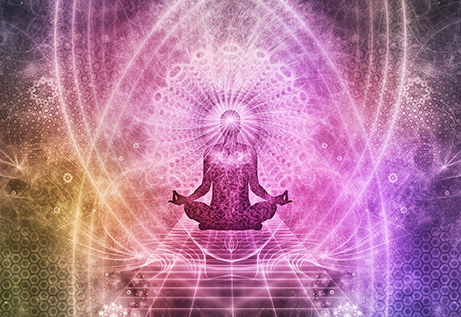
benefits-of-meditation

Experience the many benefits of mindfulness meditation

What is meditation?

Meditation is about effortlessness and becoming mindful, or thoughtless. It is about surrendering control or worry. It is about just be-ing in the moment.

Meditation was first brought to the West by Maharishi Mahesh Yogi with Transcendental Meditation (TM) in the mid 1950's. There are various schools of spiritual thought or arts in the East that teach meditation, such as the Yogic, Zen or Tibetan traditions, Tai Chi and the Martial Arts.

However, meditation is not a religious act, as many believe, but rather a simple routine anybody can practice and experience the many benefits from.

Starting a meditation practice can easily be incorporated into your daily routine. Anything from ten or twenty minutes of meditation practice every day is beneficial for overall well-being and helps to calm and relax the body and mind.

The benefits of meditation

Regular meditation has something to offer everyone. Numerous scientific studies have proven the many remarkable physical, mental, emotional and spiritual benefits.

Physical Benefits
  • Improved health and overall well-being.
  • Relief from stress and related problems, such as chronic illnesses and premature aging. (See: How to Identify and Manage Stress)
  • Decreased tension related disorders, such as tension headaches, ulcers, insomnia, muscle and joint problems.
  • Reduced chronic inflammation leading to illnesses such as cancer, diabetes, IBS and Alzheimers, heart disease, stroke, etc.
  • Lowered high blood pressure.
  • Reduced anxiety attacks by lowered levels of blood lactate.
  • Increased serotonin production improving mood and behavior.
  • An improved immune system, preventing Acute Respiratory Infection (ARI) caused by viruses and influenza, as well as other immune deficiency disorders.
  • Increased energy levels.
  • Relief from Irritable Bowel Syndrome (IBS).
  • Increased pain tolerance.
  • Improved sexual health.
  • Reduced cravings and emotional eating, increasing weight loss.
  • It helps to manage Chronic Fatigue Syndrome (CFS) caused by inflammation of the nervous system or the human herpes virus.
Mental and Emotional Benefits

Meditation brings the brainwave patterns into the alpha and even theta states, promoting healing. It calms the mind whenever you feel negative emotions or shut down.

With regular meditation practice:

  • stress is relieved,
  • anxiety decreases,
  • depression decreases,
  • emotional stability improves,
  • creativity increases,
  • happiness increases,
  • your self-confidence improves,
  • problems seem to become smaller,
  • greater focus, clarity and peace of mind is achieved,
  • you have improved memory and cognitive function,
  • you gain mental strength and energy.
Spiritual benefits

Some meditate as a part of their cultural or spiritual traditions. However, meditation is not a religious act and can be practiced by anybody regardless of the faith they follow.

With regular meditation you will find that:

  • you become more self-aware,
  • your intuition develops,
  • you experience expanded consciousness, as the unconscious becomes more conscious and negative ego is released,
  • you can achieve states of greater detachment, joy and bliss,
  • meditation brings about personal transformation, as you gradually uncover your true, authentic self.

How to Meditate

To experience the benefits of meditation, regular practice is necessary. It takes only a few minutes every day. Once it becomes a part of your daily routine, meditation will be something you look forward to every day!

When and where

For effective meditation, find a quiet time and space (indoors or outdoors) in which to practise. Background noise, such as the television and radio, will cause distraction.

Any time of day is good to practise, but early morning or at night before you go to bed (when you are not in the fully awake beta state) are the ideal times to practice.

It’s also preferable to choose a space with a moderate temperature to meditate in. Feeling too cold or too hot can distract you. Also make sure that your are dressed in comfortable clothing that does not restrict you.

Body posture

To meditate, you’ll need to find a comfortable position in which to sit for ten to twenty minutes, or more! It is not recommended to lie down as you may fall asleep.

You don’t need to adopt any specific position if you find it uncomfortable. Generally, the regular position for meditation is with crossed legs and hands on your lap (lotus position). However, if you struggle with this, find a position you are comfortable with, or sit in a chair with your hands resting on your thighs, facing upwards. Just ensure that you are not slouching.

Breathing

In order to become centered in your body, it is important to take deep, slow breaths at first. Focusing on the heart area while breathing will generate increased heart rhythm coherence. See more about the benefits of heart coherence HERE.

Mindfulness

Mindfulness is about purposely bringing one's attention away from the thinking mind –which is always focused on the past or the future – to experiences and sensations occurring in the body at the present moment.

When you become aware of your breathing, or experience sensations in your body, you will feel more 'alive'. It is impossible to be aware of your body AND your thoughts at the same time.

Different types of meditations use different techniques to be mindful about while meditating. For example, you can focus on a mantra (e.g. 'Ohm'), on a candle flame in your mind's eye, on sensations in your body, on your breathing, etc. Personally, I find that focusing on my breath to be the most effective.

Initially, if you find it helps to focus, you can count while breathing. So, for instance, count 4 to inhale and two to exhale, and repeat this as you breathe in and out. This can be an effective way to get into the mindset of learning to meditate.

In the beginning you may find it difficult to be mindful, or thought-less. Even experienced meditators have days they find it difficult to relax. However, with practice, your attention will gradually improve until you can spend increasingly longer periods on mindful meditation.

Effortlessness

Distracting thoughts may keep coming while practicing meditation. Just observe the thoughts and gently bring back your attention to whatever you were focusing on, such as your breathing. It must be gentle and effortless, without self-judgement.

This may take some time to master, but just keep at it. With regular practice you will gradually become less affected by distracting thoughts and impulses.

As you improve on your ability to be still and relaxed, you can increase the time you spend meditating.

Also, you may want to explore different meditation techniques until you find the one that you are most comfortable with.

Here’s a simple and effective way to start meditating:

  1. Find a comfortable and quiet place and sit in a comfortable position, keeping your back straight.
  2. Close your eyes and bring your attention into your body, relaxing all the muscles from the top of your head, relaxing your jaw, your shoulders, arms, fingers, torso and legs down to your feet. Notice the sensations in your body.
  3. Now, notice the air entering via your nose and exhaling through your mouth.
  4. Start centering yourself by taking in 3 slow, deep breaths while focusing on the heart – in for about 6 seconds and out for 6 seconds.
  5. Placing your hand over your heart will help you maintain your focus there. Now, imagine breathing through your heart. Picture yourself slowly breathing in and slowly breathing out through your heart area.
  6. Then just let go and breathe gently. During this cycle, if a thought comes into the mind, gently and non-judgmentally acknowledge it, let it go –like watching a cloud go by. Then return to the breath.
  7. When you are ready to end your meditation, open your eyes and gently stretch your body. You should be in a calm and serene state!

Practice this simple exercise for ten minutes each day. Remember to be gentle on yourself and don’t judge. Once you get the hang of it, you can increase the time you meditate for as long as you wish.

Eventually you will become hooked as you start experiencing the many benefits and improvements in your life!


Heart focused breathing – Be the calm within the storm

We are going through times of great change and awakening. As we navigate through these times we will be experiencing not only our own fear and anxiety, but that of the collective.

It is important for us to stay calm and centred. Being aware, without allowing yourself to get pulled into the fear mongering, will help to keep your stress levels down. Fearful thoughts and worry put stress on your body and are not serving you or your immune system.

A quick, simple tool to stay cool and calm

Here’s a quick and easy breathing technique, backed by scientific research, that you can practice at any time to help you stay calm and centered during the day – any time you notice your mind is running away with you:

1. Attention on your heart

Put your attention on your heart area. Start taking slow, deep breaths – in for 6 seconds and out for 6 seconds. Placing your hand over your heart will help you maintain your focus there.

2. 'Breathe' through your heart

Now, while breathing, imagine that you’re doing it through your heart. Picture yourself slowly breathing in and slowly breathing out through your heart area.

This deep, slow heart focused breathing technique is something you can do anytime and anywhere to instantly stimulate your vagus nerve and lower stress responses associated with "fight-or-flight" mechanisms that weaken your immune system.

The science behind heart focused breathing

Heart signals affect brain function

Ground breaking research conducted by the HeartMath Institute shows that the heart actually sends more signals to the brain than the brain sends to the heart and that these heart signals have a significant effect on brain function.

Different patterns of heart activity influence different emotional states and processing, as well as higher cognitive faculties such as attention, perception, memory, and problem-solving. In other words, not only does the heart respond to the brain, but the brain continuously responds to the heart.

The effect of heart rhythm on your brain

During stress and negative emotions the heart rhythm pattern is erratic and disordered. The corresponding pattern of neural signals travel from the heart to the brain, inhibiting higher cognitive functions. This limits our ability to think clearly, remember, learn, reason, and make effective decisions.

The heart’s input to the brain during stressful or negative emotions also has a profound effect on the brain’s emotional processes, reinforcing the emotional experience of stress.

Heart rhythm coherence

On the other hand, a more regular and stable pattern of the heart’s input to the brain during positive emotional states has the opposite effect, facilitating cognitive function and reinforcing positive feelings and emotional stability.

This means that heart focused breathing will generate an increased heart rhythm coherence. Sustaining positive emotions will not only benefit the entire body, but also profoundly affect how you perceive, think, feel, and perform.


“Coherence is the state when the heart, mind and emotions are in energetic alignment and cooperation. When the physiological coherence mode is driven by a positive emotional state, we call it psychophysiological coherence."
HeartMath Institute Research Director Dr. Rollin McCraty

The benefits of heart focused breathing

Deep breathing improves heart rate variability (HRV), which is the measurement of variations within beat-to-beat intervals, creating heart rhythm coherence leading to:

  • Feeling calm, peaceful and less rushed or stressed out.
  • A sense of being uplifted and alive.
  • A deeper heart connection within and with others.
  • Greater immunity and health.

Maintaining your focus and breathing through the heart area will automatically lead you into a state of ease – with more energy and resilience for today's challenges.

Contact me for more information:

Mobile: +27 (0)81 842 5859
Email: eril@mweb.co.za

(Your privacy and information is respected and will not be disclosed or sold to anyone).

    Identifying stress and managing it with natural stress relief techniques

    Stress is directly or indirectly responsible for all chronic illnesses and has already reached epidemic proportions in our modern civilization, due to living fast paced lives under constant pressure.

    However, there are natural stress relief techniques you can learn to manage your day and help you to avoid eventually developing serious illnesses.

    What is stress?

    The short-term stress response is the body’s natural reaction – it is mother nature’s protective mechanism to be alert – to ensure self-protection under conditions of psychological or physical threats or challenges.

    Stress is caused by the freeze, fight or flight response in our primitive brain. It releases the stress hormones, cortisol and adrenalin, when we encounter danger or life threatening situations in life.

    However, in many instances, what the brain perceives as a threat may not even be based on real and present danger. Mostly it is due to our imagination, provoked by worry or anxiousness about things going wrong in the future, about dealing with challenging situations in the present or even about bringing up unpleasant memories from the past.

    The basic stress response

    The first, or basic indicators of stress are the following:

    • Fear, which leads to feelings of anxiety.
    • Anger, leading to hostility, resentment, grievances and vengeful thoughts.
    • Guilt, which leads to shame.
    • Grief, sadness and a sense of loss.

    Stressors

    According to the Holmes and Rahe Stress Scale, developed in the late 1960s, the biggest life stressors are the same for everyone:

    • Death of a spouse.
    • Divorce or separation .
    • Pregnancy.
    • The death of a family member or loved one.
    • Personal injury or illness.
    • Marriage.
    • Being dismissed from work.
    • Reuniting with a spouse.
    • Retirement.
    • Moving from one home to another.
    • Starting a new job.
    • Starting your own business.
    • Work or school- related deadlines.
    • High stress occupations.
    • Uncomfortable social situations.
    • Physical, emotional or mental abuse.
    • Imprisonment.
    • etc.

    The traumatic effects caused by these highly stressful situations, in some instances, can even lead to post traumatic stress syndrome (PTSD).

    The symptoms of stress

    Prolonged stress has emotional, physical and mental consequences with the following symptoms.

    Emotional symptoms:

    • Lack of concentration.
    • Lack of motivation.
    • Confusion.
    • Disorientation.
    • Memory loss.
    • Fatigue.
    • Panic attacks.
    • Feeling overwhelmed.
    • Depression.

    Physical symptoms:

    • Increased blood pressure.
    • Muscle tension.
    • Skin eruptions.
    • Musculo-skeletal disorders.
    • Shifting aches and pains.
    • Listlessness and fatigue.
    • Change in sex drive.
    • Teeth grinding.
    • Sleep disorders.
    • Irritable bowel syndrome.
    • Gastrointestinal disorders, leaky gut.
    • Headaches.
    • Heart palpitations.
    • Metabolic disorders.
    • Diabetes.
    • Alzheimers.
    • Inflammation, which can lead to arthritis and joint problems.
    • Immune dysfunction, which can lead to cancer.
    • Lung problems.
    • Etc.

    Behavioral symptoms:

    • Overeating or under-eating.
    • Alcohol and drug abuse (self medication).
    • Aggression.
    • Hyperactivity or under-activity.

    The different stages of stress

    The first stage

    When we experience stress, our bodies automatically react with the characteristic “fight or flight” response, also known as an adrenaline rush. In life-threatening situations, this is helpful, as adrenaline causes the pulse, blood pressure and rate of breathing to increase in our bodies, better preparing us for fight or flight. When the outside threat disappears we return to normal, especially after a good night’s sleep,

    The second stage

    After continued exposure to stress without a break, we start overreacting to seemingly minor events. In today’s modern society, stress from traffic jams, work, or countless other everyday situations can trigger us. We end up in a constant state of stress which depletes our reserves, especially our adrenal glands, which lessens our ability to handle any additional stress. Even our ability to sleep can be affected.

    The final stage

    The accumulation of stress over time leads to exhaustion, burn-out, and systemic collapse. Unable to return our body, mind and spirit to its normal state of balance due to overwhelming stress, we suffer physical, emotional and mental breakdowns.

    Managing stress

    If we don’t learn to manage the stress response, and if stress becomes chronic and is a constant in our lives, it leads to inflammation which eventually leads to serious illnesses.

    Being aware is the first step to managing stress. Regularly dealing with stress through stress management practices and pleasant, fun activities will benefit you and help you to avoid expensive medical bills in the long run.

    Your most fundamental and long-term solution to relieve stress is regular, direct contact with your innermost self through meditation and energy healing techniques. It will not only eliminate accumulated stress, but prepare you for future stress before it arises.

    Natural stress management techniques you can practice daily:

    • Deep breathing. See: How heart focused breathing can benefit you.
    • Meditation. See: How to meditate for physical, mental and spiritual benefits…
    • Chanting mantras.
    • Listening to the music you love.
    • Watching comedies that make you laugh, or movies about love.
    • Practicing gratitude. Appreciate the things you have, instead of what you don’t have.
    • Spending time with the people you love.
    • Playing with your pets.
    • Getting plenty of exercise.
    • Getting plenty of sleep.
    • Getting out in nature as often as possible.
    • Earthing yourself, e.g. walking barefoot on the ground or using visualizing techniques to ground yourself.
    • Smiling and laughing as much as possible.
    • Being kind to others.

    Feeling overwhelmed by stress?

    If you feel overwhelmed and are suffering the effects or symptoms of chronic stress – dis-ease, illness, PTSD or emotional disfunction – there is something you can do about it.

    The energetic imbalances in your body caused by dense, lower-vibrational, non-physical energies that get lodged in your body through anxiety, fear, anger and trauma can be released with the assistance of energy healing techniques. (See how it works HERE)

    CONTACT ME

    Mobile: +27 (0)81 842 5859

    Email: eril@mweb.co.za

    Healthy MindBody and Environment

    It is important to realize that we and everything around us is made up of energy.

    Backed by the latest scientific developments, we are starting to realize that everything is energetically connected, and that we can no longer isolate the different systems in our minds and bodies from one another. What is more, we can no longer isolate ourselves from one another, or from our environment. Whatever we think, say, feel or do affects not only ourselves, but everybody and everything around us.

    Integrating body, emotions and mind is the key to being healthy and living a happy life. It isn’t possible to separate physical health, mental, emotional or spiritual health from each other. We can’t maintain our physical health if we are unwell on any other level. Our body, mind, emotions and spirit work together as an integrated system.

    If we are unwell on any of these levels our system becomes unbalanced, leading to lack of energy and disease.
    Healing ourselves holistically will address imbalances on all levels and facilitate the natural flow of energy throughout the body, without blockages or resistance.

    Healthy Body

    Keeping fit and healthy is key to increasing your energy and happiness levels.

    Listen to your body

    Many of us become so caught up by life’s daily pressures and stresses that we forget about our bodies, or we feel we don’t have the time to spend on taking care of our bodies. Neglecting our bodies can lead to serious problems in the long run.

    It is important to stay in tune with your body and to take note of any signals that it is giving you, such as lack of energy, stress related symptoms, pains or aches. We don’t need to run to the doctor every time we feel out of sorts, but we can learn to listen and understand the underlying causes of any discomfort or dis-ease. We can even learn how to heal ourselves!

    If we take responsibility for the way we treat our bodies we can avoid having to rely on doctors and running up unnecessary medical bills. Prevention is easier than cure.

    Things we can do to stay energetic, healthy and fit:

    Exercise
    Some people love physical exercise and sports, but those of us (like me!), who struggle with the thought of doing regular exercise, can find simple, quick and fun and varied ways to keep fit, e.g.

    • Walking or running in nature
    • Dancing and playing
    • Yoga
    • Rebounding

    Diet
    It’s OK to pig out occasionally, but in general it is necessary to stick to a healthy diet if you want to stay energetic and healthy.

    Sleep
    Getting enough sleep is necessary for the body to self-regulate and to repair.

    Massage
    Massage releases feel-good hormones in our body and helps to heal.

    Grounding or Earthing

    The latest scientific research has found that walking barefoot or lying down on the earth can help increase energy, fight disease and reduce stress hormones and inflammation.

    Healthy Mind

    Healthy Thoughts


    A positive attitude and mindset is key to raising your energy and to manifesting joy and abundance.
Being positive and happy raises your energetic frequency. The universe matches your vibrational energy and reciprocates by delivering more things that uplift you and make you happy.

    Healthy Emotions


    Feelings like love, joy and peace vibrate at high, uplifting frequencies.
Heavy emotions like fear, anger or shame vibrate at low frequencies.

    Things we can do to uplift our energy frequency


    Whatever brings you in to a state of flow is perfect, e.g:

    • Deep breathing exercises.
    • Regular meditation practice.
    • Communing with nature and animals.
    • Always finding things to appreciate and to be grateful for.
    • Being kind and loving to others.
    • Being kind and loving to ourselves.
    • Practicing and bringing in to our lives the uplifting qualities of peace, love, joy and compassion.
    • Forgiving ourselves and others.

    Things we can avoid bringing our energy frequencies down


    • Stop overthinking things.
    • Avoid judging, bitching, moaning and gossiping.
    • Learn how to manage feelings like anger, hurt, guilt, sadness or depression.
    • Clear emotional blocks and past traumas.
    • Let go of the old negative beliefs, stories, habits, identities or concepts about yourself imposed on you through social conditioning.
    • Come to terms with our shadow self (being the victim, controller, manipulator, etc).

    How can we manage our energy pathways to finally achieve health and happiness?
 By learning how to become more positive, by healing ourselves or finding the help to heal and get rid of the ‘baggage’ that is holding us back. That will release and balance our energy and set us free to have happier relationships with ourselves and with others; and ultimately to live a happy, full and abundant life.

    Healthy Environment

    Research demonstrates that stress is the greatest cause of disease.

    Our environment affects how much stress or discomfort we feel. Studies have shown that we can improve our mood and reduce stress with as little as five minutes of exposure to nature every day. This can be as simple as sitting in the sun or looking out a window at a natural setting.

    The conditions of our living and working environments have an effect on our health and our quality of living.
We can improve conditions by being aware of what is affecting you positively or negatively.

    Negative influences:


    • Clutter
    • Chemicals and toxins in:
      • 
The cleaning products we use in our homes.
      • The cosmetics we use on our skin that are derived from petroleum by-products.
      • Additives in the processed foods we eat.
    • Plastic and synthetic products in any form.
    • 
Noise
    • Harsh lighting or extreme temperatures.

    Positive influences:


    • Nature
    • Pets
    • Taking the sun
, especially in the early morning.
    • Uplifting, soothing or happy music
    • Grounding/Earthing
    • Bringing nature into your living or working environment, e.g interior gardens or aquariums, or art with a nature theme.
    • Caring and loving interactions with all living things stimulate the feel good hormones.

    By becoming responsible for our immediate environments we can help to improve not only our health but also contribute to improving the health of our mother earth, which we so dearly depend on.

    Healing our unconscious or shadow side

    We all have unconscious negative blocks or beliefs and emotional trauma that hold us back in life or cause us to self-sabotage or develop dis-ease. We are only able to deal with these through techniques that address the unconscious, such as Energy Healing.

    For more information about Private Energy Healing Sessions please contact me.

    CONTACT ME

    Mobile: +27 (0)81 842 5859

    Email: eril@mweb.co.za

    What is distant energy healing?

    For thousands of years, long before Western scientists discovered the laws of quantum physics, Eastern medicine recognised energy as the principal factor contributing to health and wellbeing.

    Energy healing modalities such as acupunture, reiki, polarity healing and cranio sacral therapy, have been adopted in the West for the past few decades, either as an alternative to traditional Western medicine, or to complement it - as in integrative medicine.

    Why Energy Healing?

    1. The aim of energy healing is to completely release trauma, and thereby cure the patient of the cause of dis-ease. Traditional western (allopathic) medicine, on the other hand, aims to combat disease by the use of remedies, drugs or surgery, thereby treating the symptoms of an illness, not the cause.

    2. Energy healing takes a holistic approach, meaning that it takes the whole person into account by considering the physical, emotional, mental and spiritual levels of an individual. We are multi-dimensional beings with conscious and unconscious aspects, and with systems that are interconnected. If one aspect of a human being is changed, it has an effect on the whole. Western medicine, by isolating the malady itself, does not take this viewpoint, with the result that it often has to treat the secondary effects of treatment and thereby compound drug prescriptions.

    3. Energy healing is non-invasive and does not have secondary effects. According to conservative estimates published in the Journal of the American Medical Association, illness resulting from mainstream medical treatment and prescription drugs (iatrogenic illness) is the third leading cause of death in the United States. Ever increasing studies and statistics are revealing the negative effects of toxic prescription drug use, which should be setting off alarm bells for all of us.

    How is energy used for healing?

    Mind over matter
    For hundreds of years, the scientific explanation for the order and nature of the universe consisted mainly of a mechanistic view of reality, i.e. that everything in nature was predictable and could readily be explained. The laws of classical physics and quantum physics diverged when physicists realized that the tiny particles that make up atoms responded to the observer’s mind. Waves changed into particles when they were measured and observed and, furthermore, whether an observer was present or not. Subjective mind, therefore influences the behaviour of energy and matter.

    Moreover, in his groundbreaking book “The Biology of Belief”, cell biologist Bruce H. Lipton, has demonstrated how the new science of Epigenetics is revolutionising our understanding of the link between mind and matter. His discoveries show that the biochemical effects of the brain’s functioning on all the cells of our body are affected by our thoughts.

    Important also to mention is the work of Candace Pert. In her book, “Molecules of Emotion”, she revealed how her study of information processing receptors on nerve cell membranes led her to discover that the same “neural” receptors were present on most, if not all, of the body’s cells. She established that the “mind” was not focused only in the head, but was distributed via signal molecules throughout the body. Furthermore, her work discovered that emotions were not only derived from feedback coming from the body’s environmental information. Through self-consciousness, the mind can use the brain to generate “molecules of emotion” and override the system. Therefore, proper use of consciousness can bring health to an ailing body, while inappropriate unconscious control of emotions can easily make a healthy body diseased.

    How can Energy Healing work over a distance?

    Distant energy healing, also known as remote energy healing, is based on the principle in quantum physics that energy is not restricted by time or location, and therefore can be practised over any distance at any time, so that the person being observed or healed does not have to be present.

    A striking characteristic determined by quantum mechanics is the concept of nonlocality, which Albert Einstein rather dismissively called “spooky actions at a distance”.

    Nonlocality can be described as the ability of objects to instantly know each other’s state, even when separated by long distances - possibly even billions of light years away from each other!

    Nonlocality happens due to the occurrence of entanglement, when particles that interact with each other become permanently interdependent on each other, to the extent that they effectively lose their individuality and in many ways become as one. This relationship between the concepts of nonlocality and entanglement, strangely enough, has repeatedly been demonstrated in laboratory experiments.

    The theory is simple: Mind and the observer are paramount in the understanding of reality. There is an infinite field of energy that exists beyond our concept of space and time, which unites all of us. Reality is not one continuous and consistent stream, but a field of infinite possibilities over which we can exert enormous influence. We are all interconnected.

    How does the energy healer work?

    The healer works with the combination of intuition and intention energy. Intuition is used to ‘read’ the person’s energy field, while using intention to ‘release’ negative energy blocks from the person’s body or energy field.

    Intuition
    intuition was defined as "perception via the unconscious" by Carl Jung, using sensory perception to summon up a ‘knowing’ in the form of ideas, images, feelings, etc. by a process that is mostly unconscious. We have already established that we are all interconnected, and by tapping into the unconscious and the collective unconscious we have access to a field of infinite intelligence.

    There are alternative methods to tap into the unconscious besides purely through intuition, e.g. through muscle testing (kinesiology), hypnosis or meditation.

    Energy fields, aura and energy centres (chakras)
    Through the development of sensitive instruments, science has only just begun to recognise energy fields and the aura around the body, and their role in health and disease. Eastern medicine, on the other hand, has been using the energy fields and chakras in their healing systems for thousands of years.

    The chakras are subtle energy centers in the body. The positions of the seven main chakras correspond to the glands of the endocrine system and the organs surrounding them. The chakras help to regulate all the body’s systems and processes and govern all aspects of life. Each individual chakra corresponds to different levels of physical, emotional, mental and spiritual integration.

    Intention
    Our thoughts are very powerful. In his experiments with water, Dr Masaru Emoto discovered that crystals formed in frozen water reveal changes when specific, concentrated thoughts are directed toward them. He found that water from clear springs and water that has been exposed to loving words shows brilliant, complex, and colorful snowflake patterns. In contrast, polluted water, or water exposed to negative thoughts, formed incomplete, asymmetrical patterns with dull colors. As our bodies are made up of 65% water, the implications of his research show how our health can be positively affected.

    Energy follows thought
    We know now that everything around us consists of energy and that the more density something has the lower the frequency it vibrates at, e.g. matter vibrates at a lower frequency than light. The different organs in our body each hold a specific frequency when they are healthy. Disfunction or illness holds a lower frequency. The energy healer holding a higher energy frequency and positive intention energy can transmute the lower vibrational disorders, so that healing occurs.

    How can Energy Healing assist you?

    It very quickly establishes core issues, talents, gifts and qualities, as well as blocks and challenges. It pinpoints physical, emotional and spiritual trauma in the body which can cause disease and affect our wellbeing.

    Also, it is possible to powerfully shift and transform any area in a person’s life - in career and business, prosperity, health and relationships - and clear energetic drains and blockages on any level: physically, emotionally, mentally and spiritually.

    CONTACT ME

    Mobile: +27 (0)81 842 5859

    Email: eril@mweb.co.za